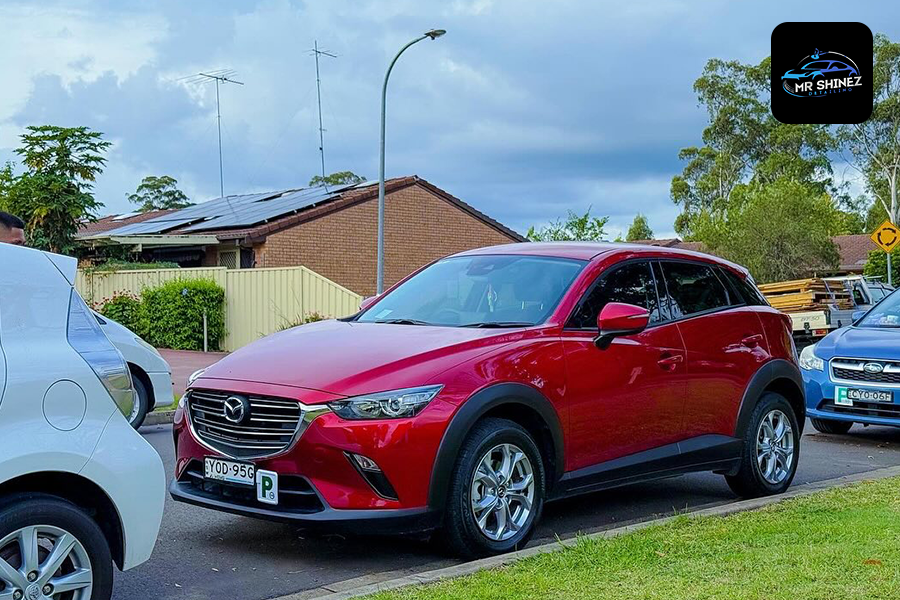
Australia is known for its stunning coastlines, open highways, and long scenic drives. For most Australians, driving is a daily necessity—not just a luxury. However, while the environment looks beautiful, it is one of the harshest in the world for car paint.
Strong UV radiation, extreme heat, coastal salt air, dust, pollution, and unpredictable weather slowly damage your car’s exterior. Many car owners notice fading paint, loss of shine, and rough surfaces far earlier than expected. This damage is not caused by poor-quality cars—it’s caused by Australia’s climate.
This is where ceramic coating becomes highly valuable. Ceramic coating is designed to protect car paint from environmental damage and reduce long-term wear. In Australian conditions, it is not just about keeping your car shiny—it is about protecting your investment.
In this guide, we’ll explain how Australian weather damages car paint, how ceramic coating works, and why it is one of the smartest protection choices for Australian car owners. Everything is explained in simple, easy-to-understand language.
Why Australian Weather Is So Harsh on Car Paint
Australia’s climate creates unique challenges that car owners in many other countries don’t face. Even well-maintained vehicles can suffer visible paint damage within a few years if left unprotected.
Strong Sunlight and High UV Levels
Australia experiences some of the world’s most intense ultraviolet (UV) radiation levels. When your car is parked outdoors—whether at home, work, or shopping centres—UV rays constantly hit the paint surface.
Over time, this causes the clear coat (the protective top layer) to break down. Once that happens, the colour layer underneath begins to fade.
This is why many Australian cars show:
- Faded bonnets and roofs
- Patchy or uneven paint
- Loss of gloss and shine
Dark-coloured cars suffer even more because they absorb more heat and UV radiation.
Extreme Heat and Temperature Changes
In many regions, summer temperatures regularly exceed 40°C. Car paint expands in heat and contracts when it cools. This constant movement weakens paint layers over time.
Heat accelerates oxidation, dries out the clear coat, and makes the paint more fragile. When heat combines with UV exposure, the damage becomes faster and more permanent.
Dust, Dirt, and Sand on Australian Roads
Australia’s roads—especially in suburban, rural, and coastal areas—often carry dust and fine sand. These particles settle on the paint surface and can cause micro-scratches during washing or wiping.
Over time, this leads to:
- Swirl marks
- Rough paint texture
- A dull, tired appearance
Even regular washing can unintentionally damage paint if the surface isn’t protected.
Why UV, Heat, and Salt Air Together Are So Dangerous
Australian paint damage rarely comes from a single factor. It’s the combination that causes serious problems.
UV Damage Explained Simply
UV rays slowly destroy the clear coat. Once it weakens, paint colour fades rapidly. This is why older cars often look worse on horizontal panels like the roof and bonnet.
Common signs include rough texture, faded colour, and loss of shine.
Salt Air in Coastal Areas
If you live near the coast, salt air is a major threat—even if you never drive on the beach. Salt particles travel through the air and settle on your car’s surface.
Over time, salt causes:
- Paint staining
- Clear coat peeling
- Rust forming under the paint
Coastal cities like Sydney, Brisbane, Perth, and Adelaide see this damage frequently.
Heat Makes All Damage Worse
Heat speeds up every chemical reaction affecting paint. UV damage, salt corrosion, and oxidation all become more aggressive in hot conditions.
In simple terms, heat shortens the life of your car’s paint.
What Is Ceramic Coating and How Does It Work?
Ceramic coating is a liquid-based polymer that is applied to a vehicle’s outer surface. Once cured, it bonds with the paint and forms a hard, invisible protective layer.
Unlike wax or sealants, ceramic coating doesn’t wash away easily. While wax may last weeks or a few months, a professionally applied ceramic coating can last years with proper care.
The coating creates a smooth, hydrophobic surface that repels water, dirt, dust, and contaminants. This makes it harder for harmful substances to stick and easier to clean the car safely.
How Ceramic Coating Protects Cars in Australian Conditions
Ceramic coating is especially effective in Australia because it directly addresses the country’s biggest paint-damaging factors.
Protection from UV Rays
Ceramic coatings contain UV-resistant properties that reduce sun damage. While they don’t block sunlight completely, they significantly slow down fading and clear coat breakdown.
Cars with ceramic coating often maintain their original colour and gloss for much longer, even when parked outdoors daily.
Better Resistance to Extreme Heat
Ceramic coating helps paint handle high temperatures more effectively. It reduces oxidation and slows paint aging caused by constant heat exposure.
During long Australian summers, coated vehicles typically show less dullness and surface damage compared to unprotected cars.
Barrier Against Salt Air and Pollution
In coastal and urban areas, ceramic coating acts as a protective shield. Salt particles, industrial pollution, and airborne contaminants do not bond strongly with the coated surface.
This makes washing more effective and reduces the risk of long-term corrosion and staining.
Urban Driving, Daily Sun Exposure, and City Pollution
Most Australians use their cars daily and park them outdoors. Urban environments expose vehicles to pollution, construction dust, bird droppings, and tree sap.
Bird droppings and tree sap are acidic and can permanently damage paint, especially in hot weather. Ceramic coating doesn’t make paint invincible, but it slows down the damage and makes cleaning much easier before stains set in.
For city drivers, ceramic coating reduces washing frequency, lowers scratch risk during cleaning, and keeps the car looking cleaner for longer.
Real Australian Use Cases
In real-world Australian conditions, ceramic coating consistently proves its value.
A coastal driver in Sydney often sees salt stains and fading within a couple of years. With ceramic coating, salt residue washes off easily and gloss remains intact.
A Melbourne commuter parking on the street deals with pollution and bird droppings. Ceramic coating reduces staining and cuts cleaning time significantly.
In Queensland’s intense heat and humidity, ceramic-coated cars show less oxidation and maintain better shine over long summers.
Easy Maintenance for Busy Australian Lifestyles
One major benefit of ceramic coating is reduced maintenance. Dirt doesn’t stick easily, and water beads off during rain or washing.
This means fewer washes, faster cleaning, and less effort overall. Because the surface stays smoother, there is also a lower risk of scratching during regular washing.
Long-Term Value and Cost Savings
Although ceramic coating costs more upfront than wax, it saves money over time. Without protection, paint correction, polishing, or repainting becomes necessary much sooner.
Ceramic coating helps preserve paint quality and improves resale value. A car with a well-maintained exterior always attracts more buyers and higher offers.
What Ceramic Coating Does NOT Do (Important to Know)
For honesty and clarity, it’s important to understand limitations:
- Ceramic coating is not scratch-proof
- It does not replace regular washing
- Poor application reduces performance
When applied professionally and maintained correctly, it offers the best results.
Is Ceramic Coating Worth It in Australia?
Considering Australia’s strong sun, extreme heat, coastal salt air, and city pollution, ceramic coating is one of the most effective paint protection options available.
It keeps cars looking newer for longer, reduces maintenance effort, and protects against damage that is otherwise unavoidable.
For Australian car owners who care about appearance, durability, and long-term value, ceramic coating is a smart investment.
Final Thoughts
Australian weather is tough on vehicles, but ceramic coating provides reliable, long-term protection. It helps fight UV damage, heat stress, salt air, pollution, and daily wear.
Whether you live in a coastal city, a busy urban area, or a hot inland region, ceramic coating offers real, measurable benefits. In Australia, it’s not just about shine—it’s about smart, long-lasting protection.