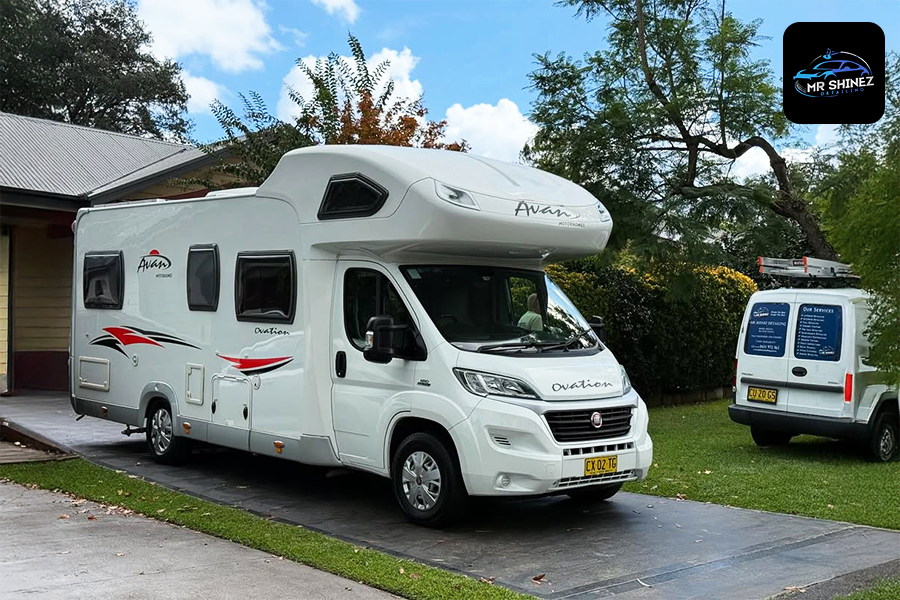
There’s something distinctively Australian about packing the caravan and setting off for a long-distance road trip. If it’s taking a trip along the Great Ocean Road, crossing the Nullarbor or heading towards on the Queensland coastline, or enjoying an inland getaway that is peaceful, caravanning can provide the freedom to be flexible, as well as the chance to experience.
However, before you plug in and take off There’s a crucial step many travelers miss: proper car detailing.
Caravan detailing is not just about making your van look shiny for holiday photos. It’s about safety, protection, sanitation, and long-term maintenance. The harsh sunlight of Australia, the salt air, red dust bugs, and long road trips can have a devastating effect on the exterior of your caravan as well as its interior.
In this guide, we’ll go through a full caravan checklist prior to embarking on a long-distance road trip. We’ll go over the reasons for cleaning, what it’s important and how to do it right, the most frequent mistakes to avoid, and the advantages from doing it right.
The reason why caravan detailing prior to an Road Trip Is Important
The harsh climate of Australia can be a nightmare. Extreme UV exposure, coastal salt spray, heavy rain and dust from the outback all attack the surfaces of your caravan.
If your caravan wasn’t properly cleaned and secured prior to the long journey it could be experiencing:
- Paint that is faded and oxidised
- Rubber trims and seals that have cracked
- Corrosion of fittings around
- Dust accumulation in vents and air systems.
- Growth of mold in moist regions
Pre-trip caravan detailing helps you start fresh. It also lets you examine potential problems before they become problems or costly repairs when you are hundreds of miles from the closest town.
Consider this as pre-emptive maintenance that disguises itself as cleaning.
Exterior Caravan Detailing Checklist
The exterior of your vehicle is exposed to the most severe elements. Let’s take it step-by-step.
1. Whole Exterior Washed (Top to the bottom)
Make sure you wash thoroughly. People often rush this process however proper washing will remove:
- Road grime and dirt
- Salt residue (especially after trips to the coast)
- Bird droppings
- Tree sap
- Bugs splatter
Why is this important:
The presence of contaminants on the surface can allow them to get into the coatings or paint as time passes.
In Australia, UV exposure accelerates damage. If salt and dirt remain on panels, oxidation could happen more quickly.
How to properly do it:
Make sure you use safe cleaning products for caravans and soft brushes. Avoid harsh household cleaners which remove the protective coatings.
From top to bottom to avoid streaks. Rinse thoroughly.
2. Roof cleaning and inspection
The roof is often overlooked because it’s hidden from view. It does however collect:
- Leaves
- Dust
- Bird droppings
- Water pools
- Growth of mould
A roof that is dirty can hinder drainage, which can cause flooding inside.
Before you embark on a long journey be sure to check:
- Roof seals
- Solar panels
- Air conditioning units
- Vents
Cleaning your roof allows you to examine for cracks and loose fittings which could lead to leaks in heavy rain.
3. Windows and Seals
Caravan windows are exposed to dust and sun.
Verify:
- Seals made of rubber that have been damaged or worn out.
- Small cracks
- Dirt that is trapped in sliding tracks
Cleaning the window seals prevents leaks and also reduces the noise of wind during long highways.
Apply a rubber conditioner if required. In Australia’s humid climate sealing rubber can degrade more quickly than you would expect.
4. Wheels, Tyres, and Wheel Arches
Wheels collect road tar, brake dust along with road tar.
Proper detailing includes:
- Make sure the rims are cleaned thoroughly
- Cleaning dirt that is embedded
- Inspecting treads on tyres
- Inspecting for bulges or cracks
Why is this important:
It is important to avoid tyre problems in remote regions of Australia. An inspection at the time of detailing could reveal warning signs early.
Wheel arches need to be cleaned to get rid of debris that could hold moisture and cause corrosion.
5. Underbody Rinse (Especially after a trip to the coast)
If you’ve been to beaches or in coastal areas the salt build-up can be seen underneath the caravan.
Salt increases the rate of corrosion, and is particularly effective on metallic components.
Cleaning the body prior to an upcoming trip can help maintain the structural integrity.
6. Wax or Protective Coating
After cleaning the area, applying a protective layer is vital.
Caravan detailing often includes:
- Paint protection
- UV-resistant coatings
- Polishing gel coat
- Sealants
In the Australian sun UV damage is one of the most serious dangers to caravans. A protective layer helps:
- Reduce fade
- Help with cleaning on the way home
- Guard against the oxidation process
The lack of protection is among the most frequent mistakes homeowners of caravans make.
Interior Caravan Detailing Checklist
The interior of your vehicle requires the same care, particularly before the long journey.
7. Deep Interior Clean
Before you load up for your journey:
- Carpets vacuumed and upholstery
- Clean up surfaces
- Clean storage compartments
- Remove hidden dust
The buildup of dust can aggravate allergies and decrease the quality of air during travel.
If the caravan was kept for a long time it could be filled with dry air or moisture accumulation.
8. Kitchen Area Sanitisation
The kitchen needs to be properly cleaned prior to leaving.
Concentrate on:
- Cupboards
- Fridge seals
- Taps and sinks
- Stove burners
The growth of bacteria and mold can occur in the storage areas that are not visible to the naked eye. Start fresh to avoid unpleasant surprises in the middle of your trip.
9. Bathroom Cleansing and Moisture Be sure to do a check
Caravan bathrooms are small and susceptible to retaining moisture.
Inspect:
- Shower seals
- Ventilation fans
- Toilet seals
- The corners where mould can develop
The humid climate in Australia’s areas can cause mould to grow more rapidly. The process of cleaning before departure is a way to ensure cleanliness and comfort.
10. Air Conditioning and Ventilation Systems
The accumulation of dust in vents can affect the flow of air and reduces efficiency.
Prior to a long trip:
- Clean air filters
- Clear obstructions from the vents
- Check the fan’s function
This is crucial especially during scorching Australian summers.
Practical Example How Pre-Trip Detailing is Important
Imagine yourself preparing for an eight-week journey beginning in Sydney across South Australia.
You can skip the detailing in order to cut down on time.
After two weeks two weeks, you realize:
- Leaks of water seep through a dry seal on the roof
- Dust can clog your ventilation system.
- Oxidation spots that form from salt exposure to the coastal sea.
- It may smell like a rotting cigarette from not previously noticed moisture
The issues could be discovered when the caravan was being detailed prior to departure.
In the meantime, instead of enjoying your leisure and relaxing, you’re juggling repairs and anger.
Prevention is always simpler than fixing issues in the middle of the road.
Benefits of a proper caravan detailing process prior to Long Trips
Detailing before departure provides multiple advantages:
Guard Your Investment
Caravans are costly assets. Regularly detailing protects the paint, seals and fittings.
Improves Travel Comfort
A clean and tidy interior is more inviting and clean.
Helps to avoid Costly Repairs
Being able to spot issues early will save you money in the long term.
Makes On-Trip Cleaning Easier
A well-protected exterior is simpler to clean up when bugs and dust gather.
Increases the Resale Value
A well-maintained caravan is more valuable in the resales market of Australia.
Common Caravan Detailing Errors to Avoid
A lot of owners of caravans unknowingly commit these errors:
Utilizing household cleaners that remove protective coatings
Inattention to seals and roofing
Skipping underbody cleaning
Do not apply UV protection
Cleaning without checking for damage
It is best to wait until the trip has ended to complete the trip
The purpose of detail isn’t only cosmetic. It’s inspection plus protection.
Do-it-yourself vs. Professional Caravan Detailing
While it is possible to do the cleaning yourself professional detailing of your caravan provide:
- Industrial-grade cleaning products
- Professional polishing tools for professionals
- Paint correction expertise
- Protection coatings that last longer
- Experienced and thorough in inspection
For long-distance road trips across Australia particularly in harsh weather conditions professional detailing will provide a deeper clean and better protection.
If you’re in the outback areas or coastal zones sealants that are of professional quality will make a huge distinction.
How Do You Define Before a Trip?
Ideally:
- 1-2 weeks before departure
- After long-term storage
- After coastal trips
- Before lengthy interstate travel
The process of detailing too early prior to departure can allow dust to settle. Too late can not allow coatings the time needed to cure.
Timing is everything.
Final Thoughts
A long road trip for caravans across Australia is among the most memorable experiences of life. However, the way you prepare will determine if the journey is enjoyable or difficult.
Caravan detailing prior to departure isn’t just about a good look, it’s about preventing security and peace of mind.
If you follow a detailed checklist, you can:
- Guard from UV damage
- To prevent corrosion
- Improve your hygiene
- Improve comfort
- Reduce the risk of breakdowns
- Make sure you prolong the life of your caravan
Before you embark on your next big adventure, make sure you give your caravan the time and attention it deserves.
Professional Caravan Detailing services designed specifically for Australian conditions, check out the MR Shinez website to learn more about the best care and security options for your caravan prior to your next road excursion.
Happy caravanning and safe travels!