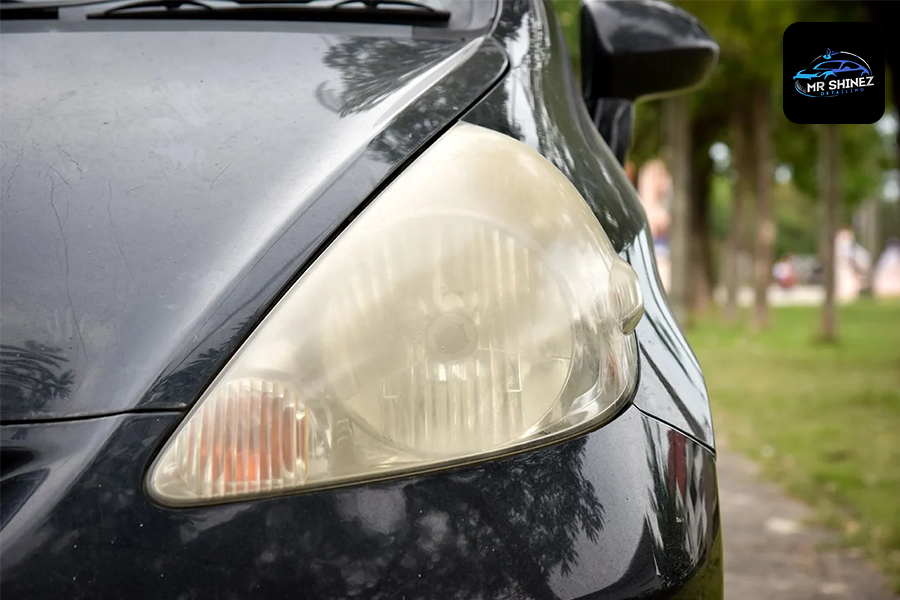
Most drivers assume that they have clear headlights. However, it is only when they are not clear anymore. After some time, the owners of the cars observe that their original bright headlights have become yellow, dull, or cloudy. It is not only the car appearance that is altered by this change, but it also has a direct influence on the driving safety and visibility during the night. The thing is that it is a problem, which may occur even to the relatively new cars. In order to headlight repair or avoid headlights, it is necessary to comprehend the real reasons that lead to headlights turning yellow and cloudy.
What Are Modern Car Headlights Made Of?
Polycrystalline headlights are common in most of the modern vehicles as opposed to glass headlights.
Plastic vs. Glass Headlights
Elderly cars were usually glass-headed, more yellow-resistant yet easy to break. Polycarbonate plastic weighs less, it is stronger and more resistant to impact thus being safer and more economical for the manufacturer. Nevertheless, plastic has a single weakness, which is that it decays over a period when subjected to the elements.
The Role of the UV Protective Coating
When the headlights are produced, they are covered with a thin ceramic coating of a clear layer to withhold UV. This coating helps to shield from the sun and oxidation of the plastic. Headlights will not be cloudy so long as this layer is not broken. The plastic remains exposed as soon as it begins to wear away.
The Main Reasons Headlights Turn Yellow and Cloudy
UV Exposure from Sunlight (The Biggest Cause)
The leading cause of headlights degradation is sunlight. The plastic surface is broken down by the ultraviolet (UV) rays, which results in a chemical reaction, which is called oxidation. The reaction changes the structure of the plastic rendering it yellow or cloudy.
Vehicles that park outside over extended periods of time (particularly those in sunny environments) have a much higher chance of having headlights that are discoloured than those that remain in garages or in shady spots.
Oxidation of Polycarbonate Plastic
Oxidation occurs when the plastic surface that has been exposed is in contact with oxygen. When the protective UV layer is worn, oxygen is able to infiltrate the plastic leading to its loss of clarity. This oxidized coating reflects light rather than letting it flow through without any difficulties and this makes it look foggy or yellowish.
Heat from Headlight Bulbs
Headlight bulbs produce heat and it accumulates in the headlight housing. Cyclic heating and cooling processes erode the plastic surface with time and accelerate the oxidation process. This can be accelerated by using modern LED bulbs over traditional halogen bulbs, which are more likely to produce more heat.
Road Debris, Dust, and Sand
Each time you are driving, small dust, sand, and debris strike your headlights at high speed. These particles form scratches of microscopic size on the surface. Whereas the scratches are minute, thousands of the scratches reflect light, and the headlight appears dim and foggy.
Surface damage is normally caused by highways and dusty conditions that require acceleration that is higher than urban driving.
Harsh Weather Conditions
All kinds of weather (rain, humidity, temperature changes), as well as air pollution, also cause the headlights to wear out. Salt in the atmosphere may increase oxidation in coastal regions. In very polluted areas, the chemical particles deposit on the light area, and this hastens the degradation of the protective layers.
How Car Washing and Maintenance Habits Contribute
Harsh Cleaning Chemicals
The UV protective coating can be removed using strong household cleaners, degreasers or ammonia-based products. Although the appearance of headlights might not be a problem at first sight, the frequent use of rough chemicals increases the damage over time.
Improper Washing Techniques
Swirl marks and scratches are made when headlights are washed with dirty sponges or rough cloth. The protective layer can also be worn down with time by automatic car washes with abrasive brushes.
Lack of Regular Protection
Most of the car owners have their paint waxed and ignore their headlights. The plastic is not covered with protection every now and then, and this means that it is exposed to the sun and oxygen, which elevates the chances of yellowing.
Can Yellow and Cloudy Headlights Affect Driving Safety?
Reduced Light Output
Cloudy headlights lead to a serious decrease in the quantity of light reaching the road. The light is not able to pass through the lens efficiently even with new bulbs installed in case the lens is hazy. This reduces the range of sight during the night.
Higher Risk in Poor Conditions
When the headlights are not clear, fog, rain, and driving during the night are more dangerous. Signs in the road, pedestrians, and obstacles become more difficult to see, which poses some risks of accidents.
Inspection and Legal Concerns
In certain areas, cloudy headlights may result in failure in the safety test of the vehicle. Weak headlight performance can also cost one a fine in case their visibility does not meet the desired standards.
Why Some Cars Develop Cloudy Headlights Faster Than Others
Parking Habits
Cars parked outdoors and more so those parked under direct sunlight suffer more damage due to UV radiation compared to cars that are parked in garages or under shade.
Climate and Environment
Oxidation is hastened by hot and sunny weather and polluted or coastal regions. Car mobile headlights in such areas tend to turn cloudy earlier.
Manufacturing Quality
Coatings on the headlights are not the same. Other manufacturers use a more durable coating of UV that is thicker and of high quality. Budget models can wear out faster than high-end cars.
Early Warning Signs
The damage of the headlights does not occur at night. The initial symptoms consist of light haze, fogginess or yellowing along the edges. You also can experience a lower brightness after replacing the bulbs. Early intervention will help avoid bigger losses and simplify the process of recovery.
Can Yellow and Cloudy Headlights Be Prevented?
UV Protection Is Key
The use of a UV-resistant sealant or protective coating is a way of slowing down the oxidation process. These are plastic products that serve as a shield between the sunlight and products.
Gentle, Regular Cleaning
PH-balanced car shampoo and soft microfiber cloths can be used to avoid scratches and avoid damaging the protective layer.
Smarter Parking Choices
Park somewhere with a cover or cover the car with a cover where possible. Even semi-shade can also help a lot to minimize UV over time.
Conclusion
The combination of UV, oxidation, heat, environmental factors, as well as maintenance habits, causes the headlights to turn yellow and cloudy. It does not happen immediately and at once. The knowledge of causes will aid car owners to take precautionary measures at an early stage, take good care of their headlights, and be safely seen on the road. The appearance of the clear headlights is not only beautiful but also necessary to drive safely, both during the day and at night.